
Triaging Diarrhea: Root Causes, Red Flags, and a Functional Approach to Fixing It
Jul 17, 2026Written by Sarah Bishop, MS Exercise Science, Functional Health Coach
Diarrhea… even the word sounds annoying.
But chronic or persistent loose stool isn’t just annoying. It can tell us a lot about digestive health, stress, or even your immune system. In this post, we’re breaking down what’s normal, when to be concerned, and how to actually troubleshoot both occasional loose stool and chronic diarrhea, unpacking those root cause issues.
What Does Normal Actually Look Like?
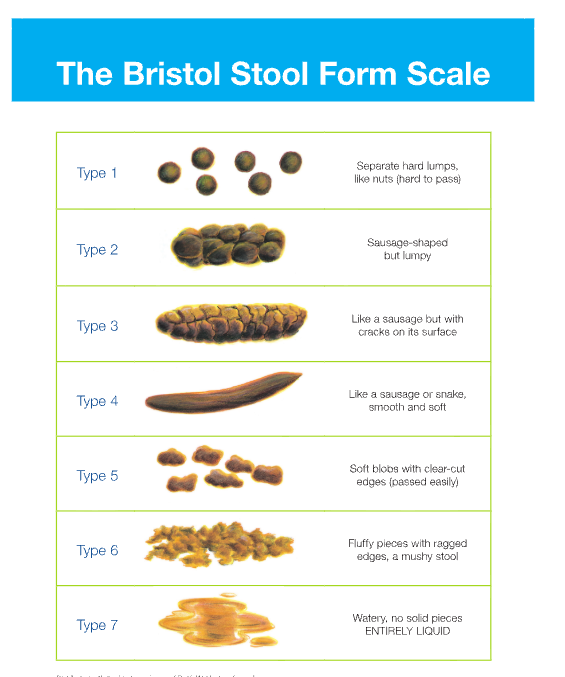
Review the bristol stool chart here . Types 5-7 are more indicative of diarrhea/too loose. Going 1-3x a day - normal. Loose, watery stool happening frequently or impacting your quality of life - not normal.
image
A one off occurrence or maybe type 6 on the first day of your period (period poops as they are so affectionately called ) can be within the realm of normal- though still a moment to go hmmm and consider what the body may be saying it needs.
Other red flags include : Pain or discomfort, blood, floating stool, seeing a lot of undigested food, straining to go, running to the bathroom after meals, abdominal pain or cramping, a strong smell , urgency - all also be signs your digestion needs some support.
When Should You Be Concerned?
Acute diarrhea lasts 1 - 2 days. If it lingers over two weeks, it’s “persistent.” Beyond four weeks, it’s considered chronic.
Left unchecked, it can lead to:
- Dehydration and electrolyte imbalance
- Malabsorption and nutrient deficiencies
- Gut lining inflammation and compromised immune health
- Clues to deeper issues that shouldn’t be ignored
What Causes Loose Stool and Diarrhea? Common Root Causes to Consider
-
Small Intestinal Bacterial Overgrowth (SIBO) or dysbiosis
-
Candida overgrowth
-
Parasites
-
Foodborne Pathogens
-
Post-infectious IBS
-
Food intolerances or allergies
-
Celiac Disease
-
Fat Malabsorption or Gallbladder/Liver issues (especially if loose and oily , or clay colored stool)
-
Intestinal Permeability
-
IBD (Crohn’s or ulcerative colitis) – refer to a GI, especially with a family history
-
Hyperthyroidism (as well as being over medicated with thyroid medication )
Consider supplements like magnesium citrate or oxide , high dose vitamin C or MCT oil that may also contribute or be contributing to a case of diarrhea. Berberine is a popular supplement for glucose metabolism, however it is also a powerful antimicrobial agent and can cause diarrhea.
Where to Start: Assessment Before Action
We look at lifestyle, food choices, meal hygiene, stress, and overall patterns. Not just triaging isolated symptoms. From there, lab testing may be helpful:
- CBC + CMP – for liver, kidney, gallbladder health and infections
- Full thyroid panel
- Celiac screening
- Endoscopy/colonoscopy when indicated
- GI Map for deeper functional insights
Functional Health Next steps
Meal Hygiene
- Chewing your food well- you don’t have to count chews, but it should be an applesauce-like consistency before swallowing.
- Avoiding eating when stressed or rushed. Stress can be both a cause of diarrhea, and make loose stools and urgency worse.
- Give your nervous system some love
- Diarrhea = fight or fight. Stress and anxiety might be behind why your body is sending you running to the bathroom.
- Ask yourself: Are you breathing? Getting outside? Taking breaks from work or social media?
Motility Support
We often talk about supporting motility in the context of constipation and bloating, but supporting the Migrating Motor Complex (MMC) can be equally as important when it comes to diarrhea. Especially if the root cause is SIBO, dysbiosis or post-infectious IBS.
During periods of fasting, a MMC develops approximately every 90-120 minutes to sweep residual debris through the Gl tract.
Ever had loose stool after food poisoning? These bacteria (like E. Coli, salmonella) commonly produce a toxin called cytolethal distending toxin B (CdtB). The body releases antibodies to combat the toxin, which is a good thing, but in the process a protein called vinculin can also be damaged because it shares structural similarities to CdtB.Vinculin is found in your intestinal tract and helps with peristalsis. If it is damaged, it impedes the function of the MMC
Fix the MMC :
-
Avoid grazing
-
Eat smaller, evenly spaced meals every 3–4 hours
-
Fast 10–12 hours overnight
-
Strengthen your vagus nerve
-
Ginger can be a gentle prokinetic
-
Work on meal rituals: deep breaths, chewing thoroughly, being present
Food Choices for Loose Stool
Focus on :
-
Fiber - especially certain soluble fibers to slow things down. If fiber intake is low, go slow to increase.
-
1 tbsp Psyllium husk a day or during a flare might be helpful
-
Fluids- diarrhea causes loss of fluids leaving people chronically dehydrated. Drink plenty of water but also consider minerals and electrolytes- both dietary and supplements to actually replenish and ensure that water is being absorbed.
-
Limit fluids during meals to avoid diluting bile and digestive enzymes—and watch for overhydration.
-
Healthy fats and high quality protein (what's a quality protein? Learn more in this protein guide) , a moderate to lower fat diet can help during a flare. However, fats are crucial for bile production . Bile helps to breakdown and absorb fats.
-
Whole foods and a variety of fruit and well cooked vegetables (raw foods make your body work over time- we want to make the digestive process easy)
-
Omega 3's to help lower inflammation
-
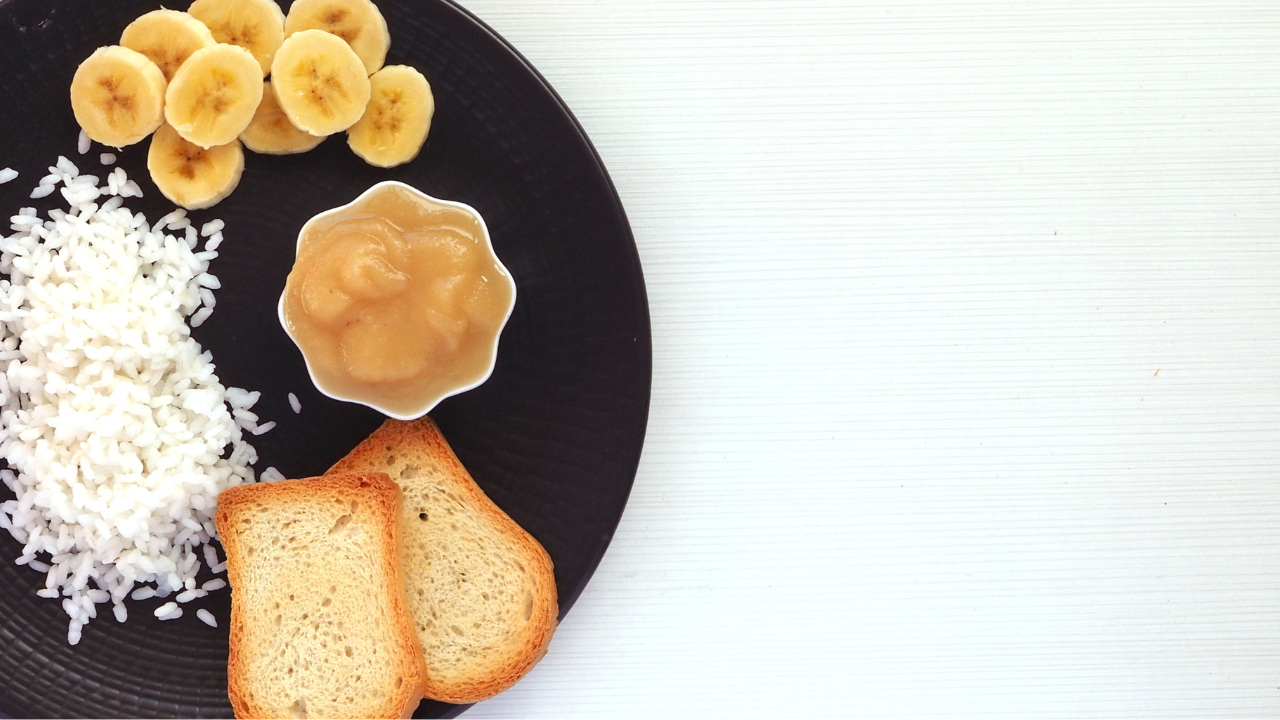
In a flare- BRAT diet- focusing on bananas, rice and rice based cereals, apples/applesauce and gluten free toast
-
Peppermint and ginger teas
Limit or Avoid :
- Spicy foods
- Alcohol
- Caffeine
- Highly processed foods that contain emulsifiers, thickeners, artificial sweeteners and dyes may disrupt the microbiome and gut lining, leading to inflammation. Do we need to never eat anything with these foods ? No, but perhaps take a review of how many foods you consume that contain a long list of ingredients.
- Foods with added fibers like Chicory root , or sugar alcohols
- Food triggers such as dairy and gluten, and getting to know your unique triggers. An elimination guides under professional guidance may be needed.
Training and Peri-Workout Nutrition Considerations.
Combining glucose + fructose helps carb absorption and reduces GI distress for many. Too much of either though, can cause bloating, urgency, or diarrhea. Consider what you are having for pre workout or intra workouts - you may need to experiment with your “formula” depending on when you eat and what your activity looks like . And don’t forget the sodium!
Long runs and hard training sessions -= less blood flow to your gut.
Caffeine and stimulants (hello, pre-workout) can overly stimulate the bowels, experiment with your tolerance,
Supplements to Help Diarrhea
Sach Boulardii is a favorite probiotic for loose stool. Especially if you have an upset stomach when traveling or during/after taking antibiotics . Saccharomyces doesn’t replace bacteria in the gut but it can be helpful to clear out opportunistic bacteria and supports the intestinal lining and immune system.
Omega-3 fatty acids (EPA and DHA) help modulate gut inflammation and support intestinal lining integrity, both relevant when loose stool is in the picture. Aim for fatty fish a few times a week but realistically a supplement is helpful to not fall short. I do use and recommend Triton by Legion as it is third-party tested and has an efficacious dose of Omegas from a company I've trusted for years. Use code FORD if you check it out.
Electrolytes may be needed if in a bad flare or after bouts of diarrhea
Zinc carnosine, slippery elm tea, bone broth and aloe vera juice are some favorites to support the mucosal lining which often needs some TLC with chronic GI inflammation and loose stool. Be careful with aloe juice as it is rich in potassium which can help with motility and bowel movements... but in a flare may speed things up too much.
Don’t wait until your body is screaming to listen.
Our approach is to assess your diet, lifestyle and health history, comprehensively evaluating what the root causes of your situation might be. From there, we may suggest further testing with a GI Map along with a strategic and personalized plan for both immediate relief and long-term resolution.
You don’t have to live in fear of your next meal (or your next bathroom trip) . If you’re tired of guessing and ready for real answers, it might be time to take the next step.